
- English
- Afrikaans
- беларускі
- Hrvatski
- Bosanski
- Монгол хэл
- IsiXhosa
- Zulu
- Hawaiian
- Lëtzebuergesch
- Español
- Português
- русский
- Français
- 日本語
- Deutsch
- tiếng Việt
- Italiano
- Nederlands
- ภาษาไทย
- Polski
- 한국어
- Svenska
- magyar
- Malay
- বাংলা ভাষার
- Dansk
- Suomi
- हिन्दी
- Pilipino
- Türkçe
- Gaeilge
- العربية
- Indonesia
- Norsk
- تمل
- český
- ελληνικά
- український
- فارسی
- नेपाली
- български
- ລາວ
- Latine
- Қазақша
- Euskal
- Eesti Keel
- Română
- Slovenski
- Srpski језик

Is Forging Parts Essential for Modern Industrial Development?
The increasing demand for high-strength mechanical components has positioned Forging Parts as a core element in modern industrial development. Across multiple engineering fields, these components are widely recognized for their structural reliability, adaptability, and long-term performance under demanding operating environments. As industries continue to evolve toward higher efficiency and precision, the role of the Parts becomes more prominent in supporting stable production systems and advanced mechanical assemblies.
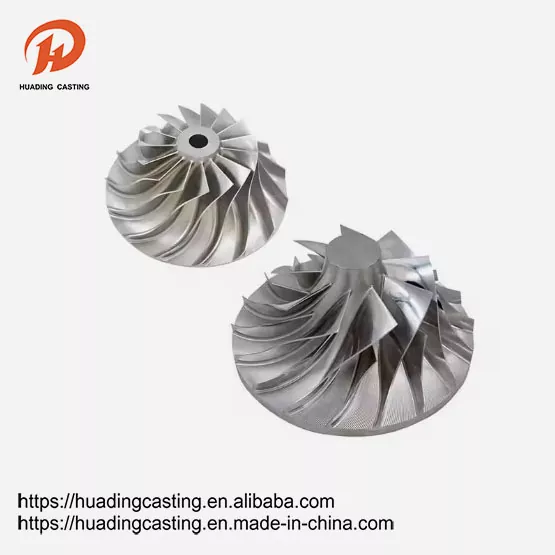
Evolution of Metal Casting and Forming Industry
Material Engineering and Process Optimization
The development of metal forming technologies has undergone continuous refinement, focusing on improving structural integrity and mechanical consistency. In modern production systems, material selection and process control are essential factors that determine the final quality of engineered components. Within this evolution, Forging Parts have become a preferred solution due to their enhanced grain structure and improved resistance to deformation. These characteristics make them suitable for applications requiring long-term stability and mechanical endurance.
Industrial Applications and Integration
The integration of advanced forming techniques into industrial production lines has expanded the usability of metal components across various sectors. Mechanical systems now demand parts that can withstand complex operational loads while maintaining dimensional accuracy. In this context, the Parts are widely implemented to ensure structural reliability and consistent performance. Their adaptability allows engineers to design systems with improved safety margins and reduced maintenance requirements.
Quality Standards in Mechanical Component Production
Surface Treatment and Durability
Surface integrity plays a crucial role in determining the lifespan of mechanical components. Advanced treatment methods are applied to enhance resistance against wear, corrosion, and environmental stress. Through controlled processing techniques, manufacturers can significantly improve the durability of finished components. The use of Forging Parts in critical assemblies supports long-term operational stability, ensuring that mechanical systems maintain efficiency under continuous use.
Inspection and Consistency Control
Quality assurance processes in modern manufacturing emphasize consistency and structural reliability. Each stage of production is carefully monitored to ensure that finished components meet strict engineering requirements. Non-destructive evaluation methods and precision measurement techniques are widely applied to maintain uniform standards. The consistent performance of the Parts is achieved through controlled production environments and systematic inspection procedures.
Manufacturing Capabilities and Engineering Strength
Equipment and Production Flow
Advanced manufacturing systems rely on integrated production workflows that combine automation with skilled engineering oversight. Equipment configuration and process alignment are essential for achieving stable output quality. In this environment, Forging Parts are produced through carefully managed stages that ensure material integrity and dimensional precision. Each step contributes to the overall reliability of the final mechanical structure.
Technical Team Collaboration
Engineering teams play a central role in developing optimized production methods and improving product performance. Collaboration between design specialists and manufacturing technicians enables continuous innovation in process development. This cooperative approach ensures that Forging Parts meet diverse industrial requirements while maintaining consistent quality across different applications.
Application Scenarios Across Industries
Transportation and Infrastructure
In transportation systems and infrastructure development, mechanical reliability is a critical requirement. Components must withstand continuous stress while maintaining operational safety. The use of high-strength metal components supports structural stability and long-term durability. In these environments, the Parts contribute significantly to performance efficiency and system reliability.
Energy and Heavy Machinery
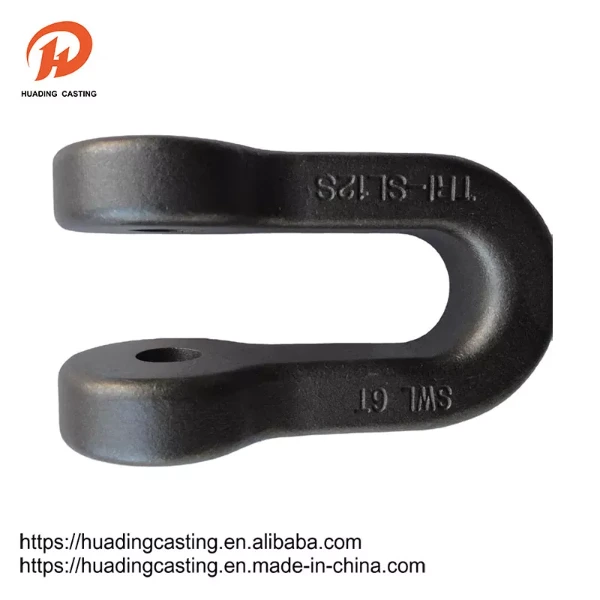
Energy production systems and heavy machinery operations require components capable of handling extreme mechanical loads. Stability and resistance to fatigue are essential characteristics in these applications. The integration of Forging Parts enhances operational safety and reduces the likelihood of mechanical failure, ensuring continuous and efficient performance in demanding environments.
Market Trends and Future Outlook
Sustainability and Material Efficiency
Modern industrial development is increasingly focused on sustainable production methods and efficient resource utilization. Manufacturers are adopting improved material processing techniques to reduce waste and enhance output efficiency. Within this context, the Parts offer advantages in material strength and lifecycle performance, supporting sustainable engineering practices.
Automation and Digital Integration
The adoption of intelligent manufacturing systems has transformed traditional production models. Automation and digital monitoring tools allow for greater precision and consistency in manufacturing processes. These advancements contribute to improved production stability and reduced variability. As a result, Forging Parts produced under such systems demonstrate higher levels of uniformity and reliability.
Company Focus and Manufacturing Value
Gaomi Huading Metal Products Co., Ltd. has established itself as a dedicated enterprise specializing in the research, design, and production of mechanical components and metal solutions. With a strong focus on engineering excellence and process innovation, the company continues to enhance its capabilities in delivering high-quality industrial products. Its commitment to advanced manufacturing principles ensures that every stage of production maintains strict quality awareness and technical precision.
The company places significant emphasis on continuous improvement, integrating modern production systems with experienced technical expertise. This approach enables the development of reliable metal solutions that meet the evolving needs of global industries. Within its product portfolio, the Parts play an important role in supporting a wide range of mechanical applications, offering strength, durability, and consistent performance across various operational environments.
Through long-term dedication to industrial advancement, Gaomi Huading Metal Products Co., Ltd. continues to strengthen its position in the metal products sector. Its focus on innovation, quality control, and engineering development ensures that its solutions remain competitive and dependable in a rapidly evolving market landscape. The company’s commitment to excellence reflects its ongoing mission to deliver stable and efficient mechanical components for global industrial use.
| Process Stage | Focus Area | Description |
|---|---|---|
| Material Preparation | Composition Selection | Emphasis on stable raw structure and suitability for forming operations |
| Forming Process | Structural Shaping | Controlled shaping to enhance internal strength and mechanical integrity |
| Heat Treatment | Performance Enhancement | Improving durability and resistance to operational stress |
| Surface Processing | Protection Layer | Enhancing resistance against environmental and mechanical impact |
| Final Inspection | Quality Assurance | Ensuring consistency and reliability across all finished components |
In conclusion, the industrial importance of Forging Parts continues to grow as global manufacturing systems demand higher performance standards and improved structural reliability. Gaomi Huading Metal Products Co., Ltd. remains committed to advancing its technical capabilities and delivering dependable solutions that support modern engineering applications and long-term industrial development.