- English
- Afrikaans
- беларускі
- Hrvatski
- Bosanski
- Монгол хэл
- IsiXhosa
- Zulu
- Hawaiian
- Lëtzebuergesch
- Español
- Português
- русский
- Français
- 日本語
- Deutsch
- tiếng Việt
- Italiano
- Nederlands
- ภาษาไทย
- Polski
- 한국어
- Svenska
- magyar
- Malay
- বাংলা ভাষার
- Dansk
- Suomi
- हिन्दी
- Pilipino
- Türkçe
- Gaeilge
- العربية
- Indonesia
- Norsk
- تمل
- český
- ελληνικά
- український
- فارسی
- नेपाली
- български
- ລາວ
- Latine
- Қазақша
- Euskal
- Eesti Keel
- Română
- Slovenski
- Srpski језик

Why Choose Investment Casting Conduit Body for Industrial Applications?
Investment casting conduit bodies are essential components in modern industrial electrical systems, offering superior precision, durability, and design flexibility. This article explores the advantages, applications, materials, and manufacturing considerations of investment casting conduit bodies to help engineers, procurement managers, and industrial professionals make informed decisions. By addressing common challenges and providing practical insights, this guide ensures a comprehensive understanding of why investment casting is the preferred method for conduit body production.
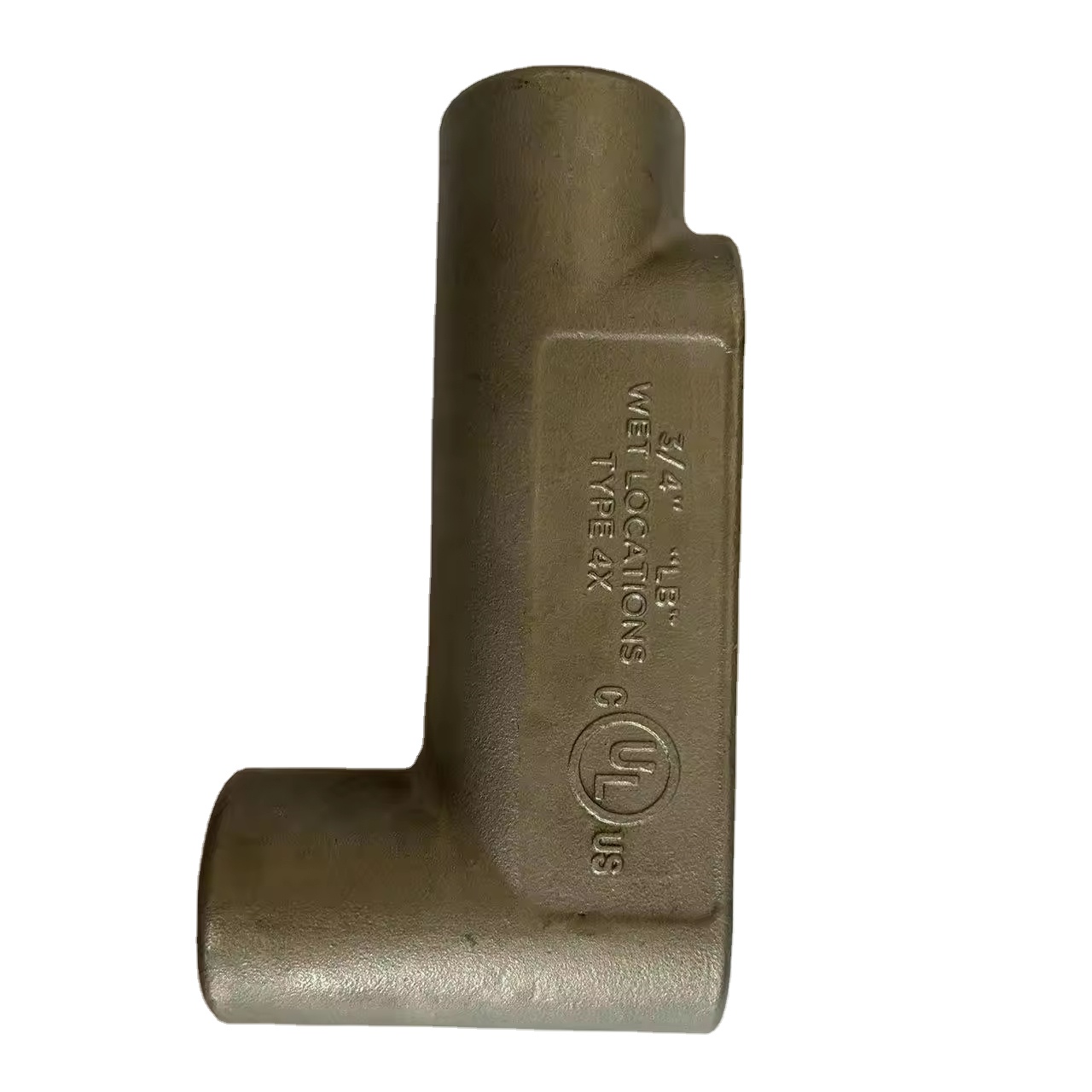
Table of Contents
- 1. What is an Investment Casting Conduit Body?
- 2. What Are the Key Benefits?
- 3. Which Materials Are Commonly Used?
- 4. How Does Design Affect Performance?
- 5. How Are Investment Casting Conduit Bodies Made?
- 6. Where Are They Used?
- 7. Investment Casting vs. Other Manufacturing Methods
- 8. Common Challenges and Solutions
- 9. Frequently Asked Questions (FAQ)
- 10. Conclusion and Contact Information
1. What is an Investment Casting Conduit Body?
An investment casting conduit body is a specialized enclosure used in electrical systems to provide a junction or access point for conduit runs. Unlike traditional cast or fabricated conduit bodies, investment casting offers unmatched precision and intricate design capabilities. These bodies are typically used in industrial, commercial, and utility applications where high-quality electrical protection is essential.
Gaomi Huading Precise Metals Co., Ltd. specializes in producing high-quality investment casting conduit bodies, ensuring superior dimensional accuracy and long-lasting performance.
2. What Are the Key Benefits?
- Precision: Investment casting allows for complex shapes and tight tolerances, minimizing installation issues.
- Durability: Resistant to corrosion, wear, and high temperatures, ideal for demanding industrial environments.
- Flexibility: Supports various sizes and configurations, meeting custom project requirements.
- Cost Efficiency: Reduced machining and finishing costs compared to traditional fabrication methods.
- Improved Safety: Seamless construction reduces points of failure, protecting both personnel and equipment.
3. Which Materials Are Commonly Used?
The choice of material affects both performance and longevity of investment casting conduit bodies. Common materials include:
| Material | Properties | Typical Applications |
|---|---|---|
| Stainless Steel | Corrosion-resistant, high strength, heat resistant | Industrial plants, chemical facilities, outdoor installations |
| Aluminum | Lightweight, corrosion-resistant, conductive | Commercial buildings, electrical panels, indoor conduits |
| Brass | Good corrosion resistance, excellent machinability | Marine environments, specialty electrical installations |
| Carbon Steel | High strength, cost-effective, can be coated for corrosion resistance | Heavy-duty industrial applications, underground conduit |
Gaomi Huading Precise Metals Co., Ltd. ensures that all materials meet strict quality standards to guarantee safety and compliance with industrial codes.
4. How Does Design Affect Performance?
The design of an investment casting conduit body impacts both its functionality and durability. Important considerations include:
- Wall Thickness: Adequate wall thickness ensures structural integrity without excessive weight.
- Thread and Port Accuracy: Precision threading reduces leakage and simplifies installation.
- Internal Geometry: Smooth internal surfaces prevent wire damage and improve electrical flow.
- Mounting Options: Multiple mounting holes or brackets allow versatile installation.
5. How Are Investment Casting Conduit Bodies Made?
The manufacturing process involves several precise steps:
- Wax Pattern Creation: A wax model of the conduit body is created using an injection or hand-built method.
- Shell Building: Multiple layers of ceramic slurry are applied to the wax pattern, forming a durable shell.
- Wax Removal: The shell is heated to melt and remove the wax, leaving a hollow ceramic mold.
- Metal Pouring: Molten metal is poured into the mold to form the final conduit body.
- Finishing: After cooling, the ceramic shell is removed, and the casting is cleaned, machined, and inspected.
Gaomi Huading Precise Metals Co., Ltd. implements advanced quality control at each stage, ensuring each conduit body meets precise specifications.
6. Where Are They Used?
Investment casting conduit bodies are highly versatile and are used across multiple sectors:
- Industrial plants and factories
- Commercial and residential electrical systems
- Oil, gas, and chemical processing facilities
- Marine and offshore electrical installations
- Data centers and telecommunication networks
7. Investment Casting vs. Other Manufacturing Methods
When choosing conduit bodies, it's important to compare investment casting with other methods:
| Method | Advantages | Disadvantages |
|---|---|---|
| Investment Casting | High precision, complex shapes, excellent surface finish | Higher initial setup cost |
| Sand Casting | Lower tooling cost, suitable for large components | Lower accuracy, rough surface finish |
| Fabrication & Welding | Flexible, good for custom sizes | Seams may leak, labor-intensive, less precise |
| Die Casting | Fast production, excellent for high volumes | Limited to certain metals, may have porosity issues |
8. Common Challenges and Solutions
Even with high-quality production, some challenges may arise:
- Porosity: Proper mold design and controlled pouring prevent air pockets.
- Surface Imperfections: Post-casting finishing and polishing eliminate roughness.
- Thread Misalignment: CNC machining ensures precise threading.
- Material Defects: Strict material inspection prevents inclusion of impurities.
9. Frequently Asked Questions (FAQ)
- Q1: What is the maximum temperature investment casting conduit bodies can withstand?
- A: Depending on the material, stainless steel conduit bodies can withstand up to 800°C, while aluminum versions are suitable for 150–200°C.
- Q2: Can investment casting accommodate custom shapes?
- A: Yes, complex and custom designs are one of the key advantages of investment casting, enabling tailored solutions for specific installations.
- Q3: How long does production typically take?
- A: Standard production cycles range from 4 to 6 weeks, depending on design complexity and batch size.
- Q4: Is it cost-effective for small batches?
- A: While initial setup costs are higher, investment casting reduces labor and post-processing costs, making it feasible even for moderate production runs.
- Q5: How do I ensure quality consistency?
- A: Working with reputable manufacturers like Gaomi Huading Precise Metals Co., Ltd. ensures stringent quality checks at every stage.
10. Conclusion and Contact Information
Investment casting conduit bodies are a superior choice for industrial and commercial electrical applications due to their precision, durability, and versatility. Choosing the right material, design, and manufacturer ensures maximum performance and reliability. Gaomi Huading Precise Metals Co., Ltd. has decades of experience in producing high-quality investment casting conduit bodies, delivering exceptional results for clients worldwide.
For tailored solutions, bulk orders, or technical support, contact us today and experience the difference in precision and quality.